Introduction
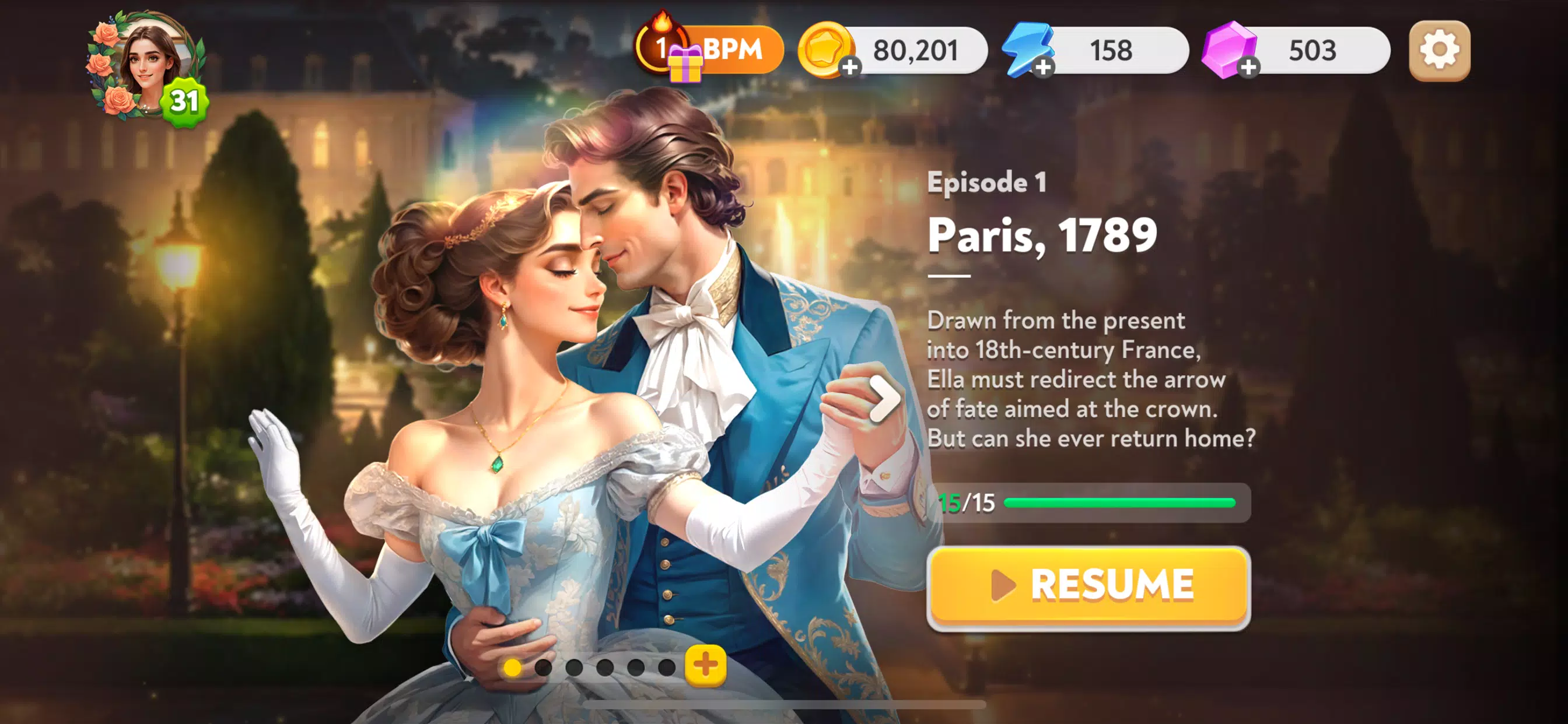
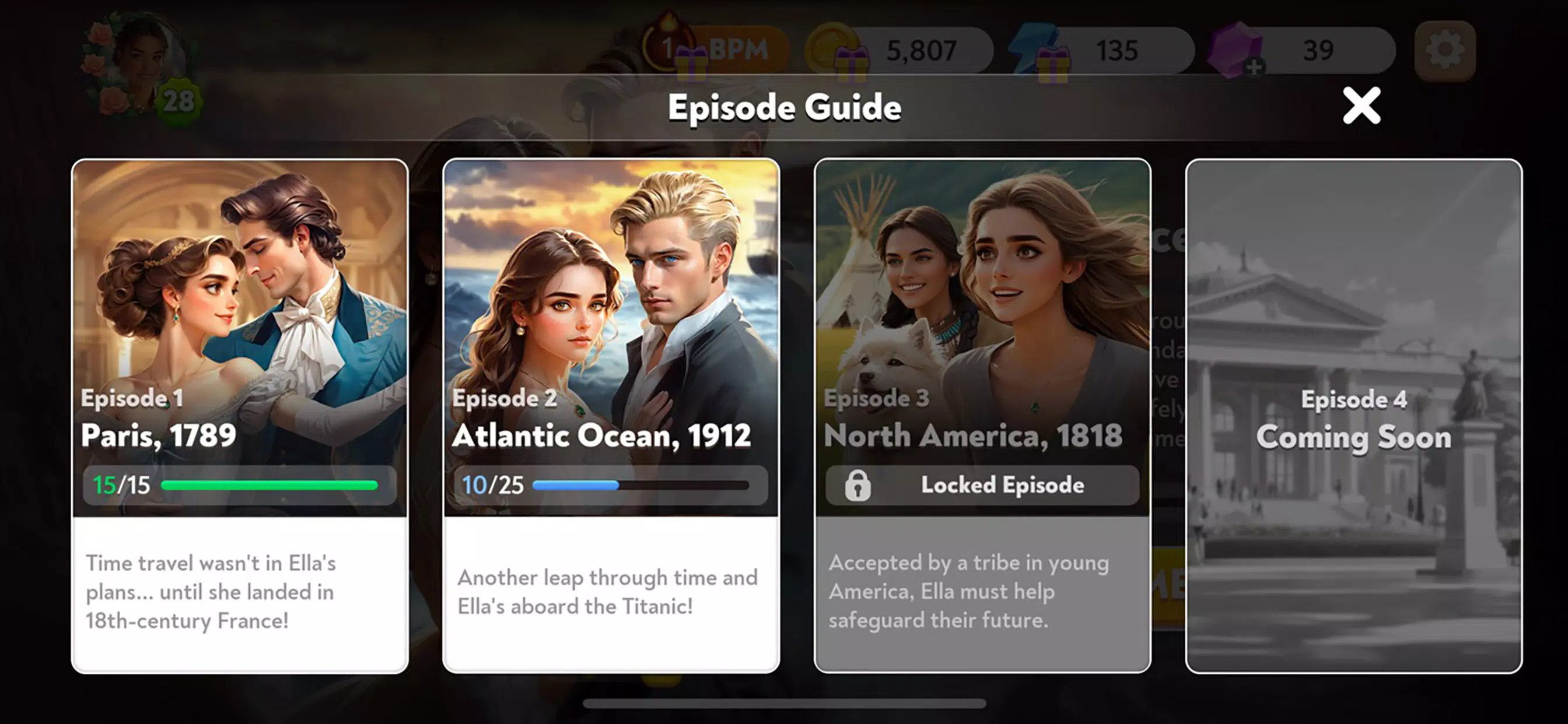
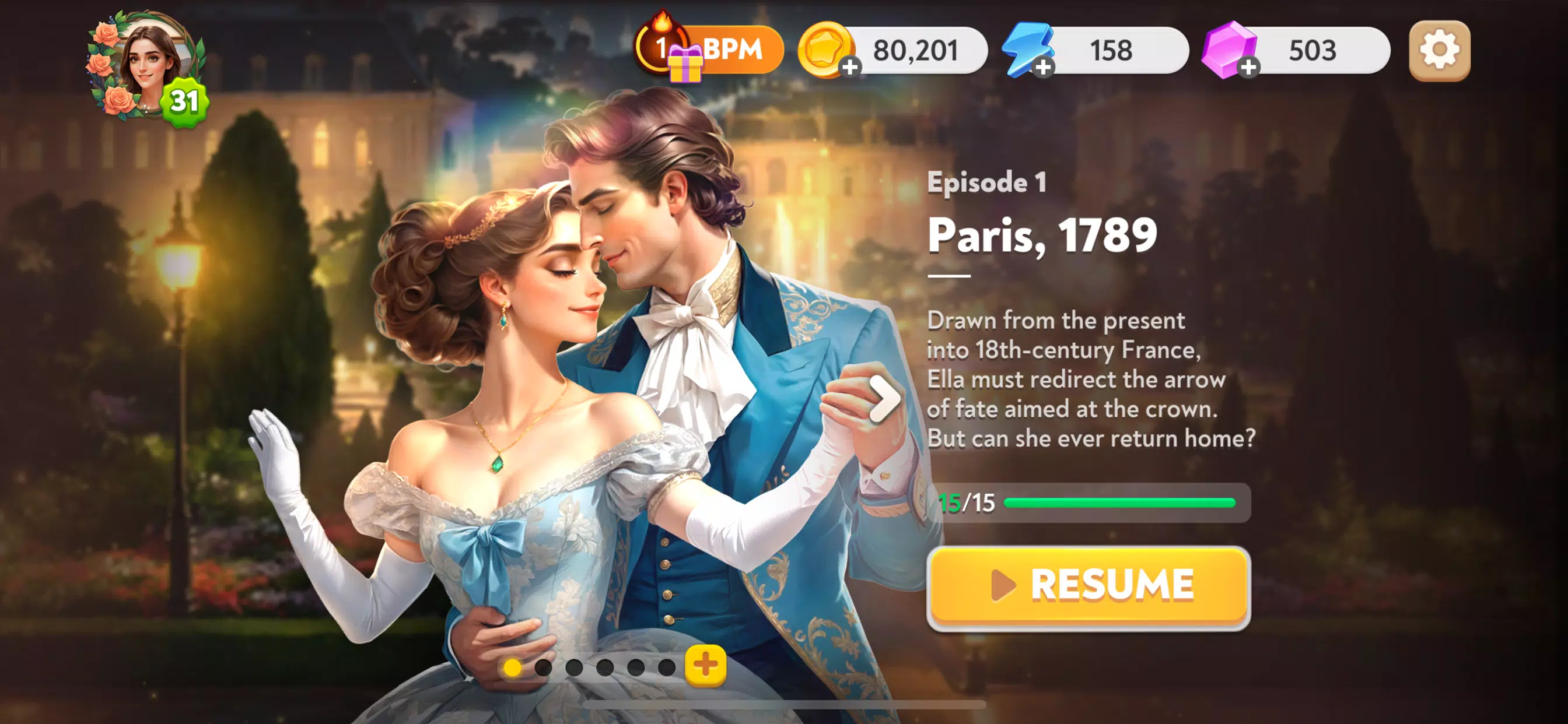
Bingo Diary is a story-driven casual puzzle game that blends classic bingo card play with a light time-travel narrative. In Bingo Diary you step into the shoes of Ella, tracing a mysterious inherited necklace as the setting shifts from 18th-century France into later eras; each completed card advances the story by awarding fragments, unlocking chapters, and revealing more of the world. The introduction is approachable for players who enjoy short sessions, but the game layers collectible progression, boosters, and increasing card difficulty to keep longer sessions engaging.
Key features
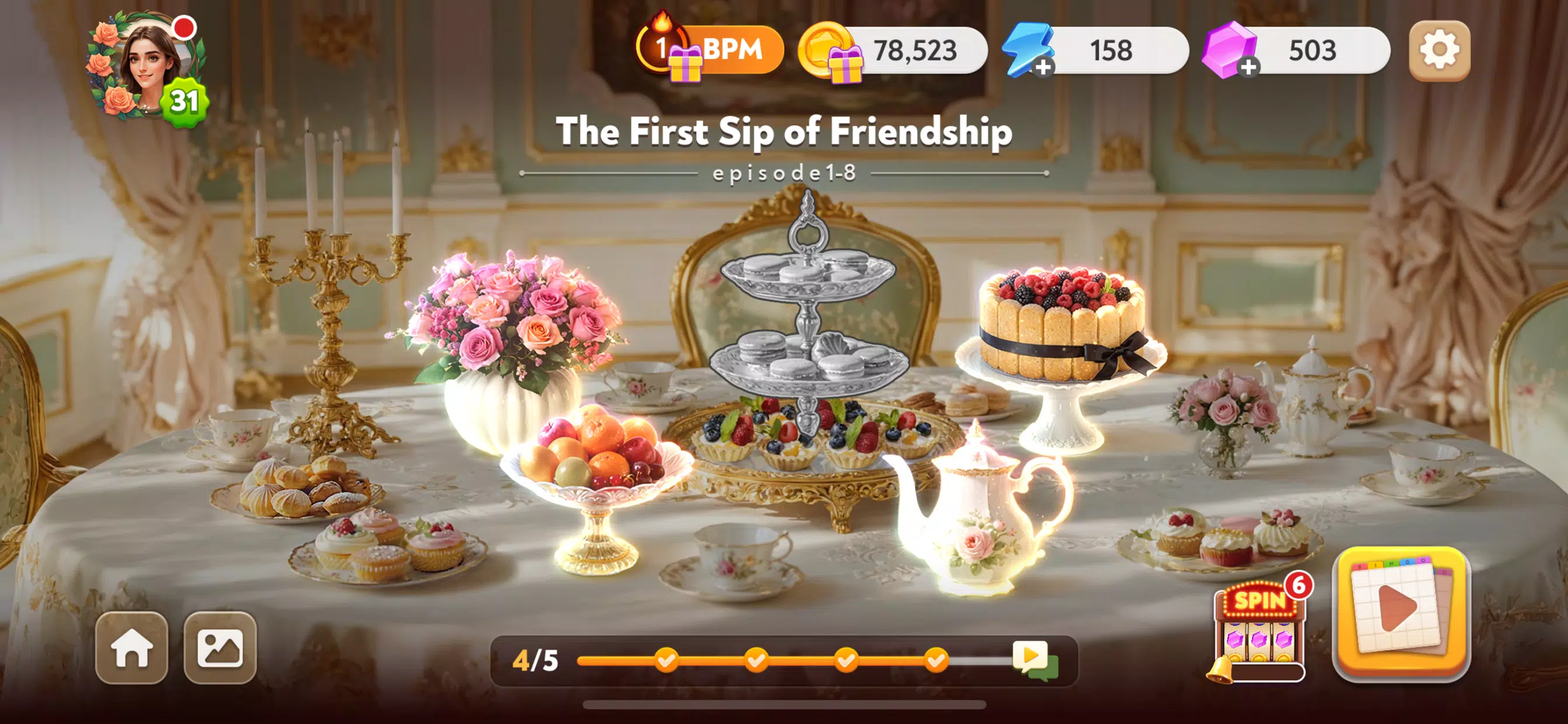
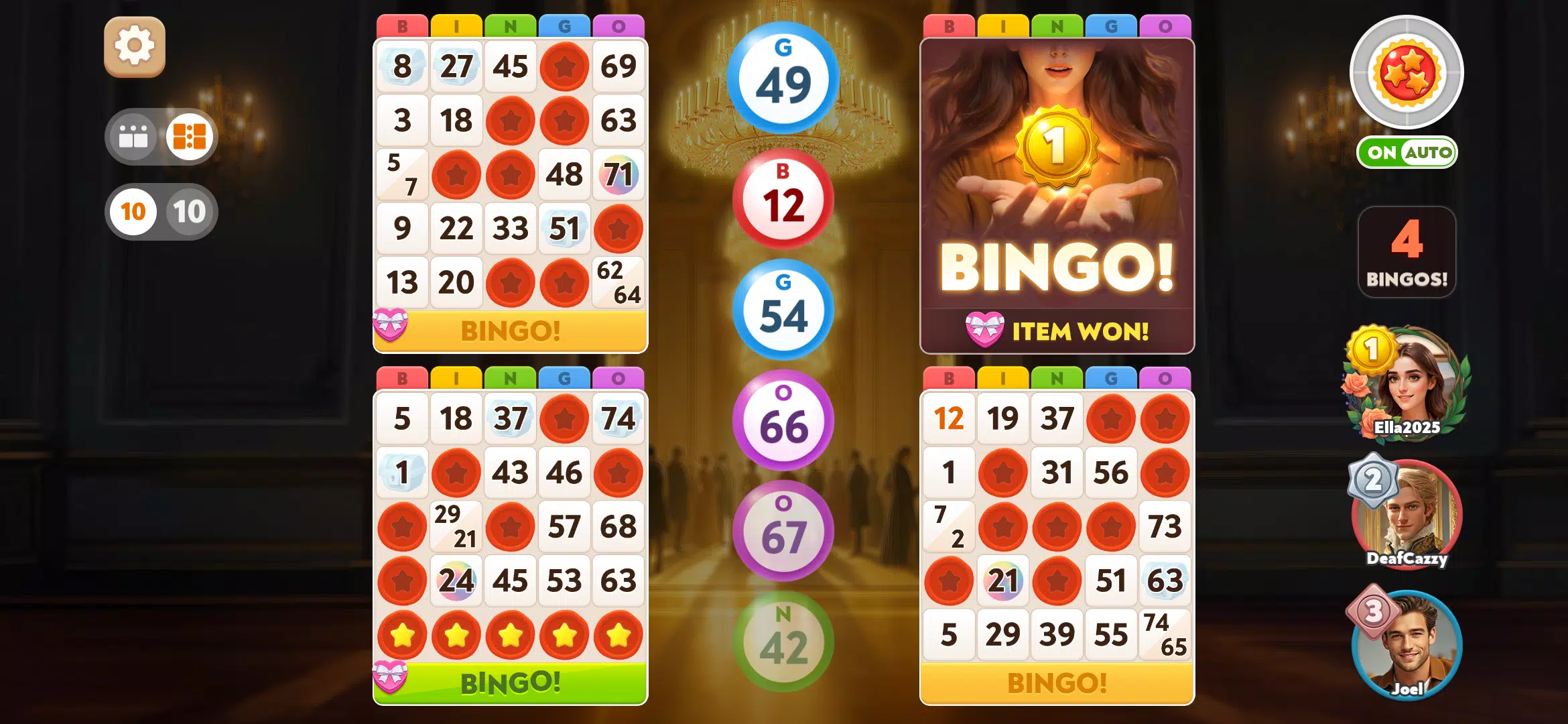
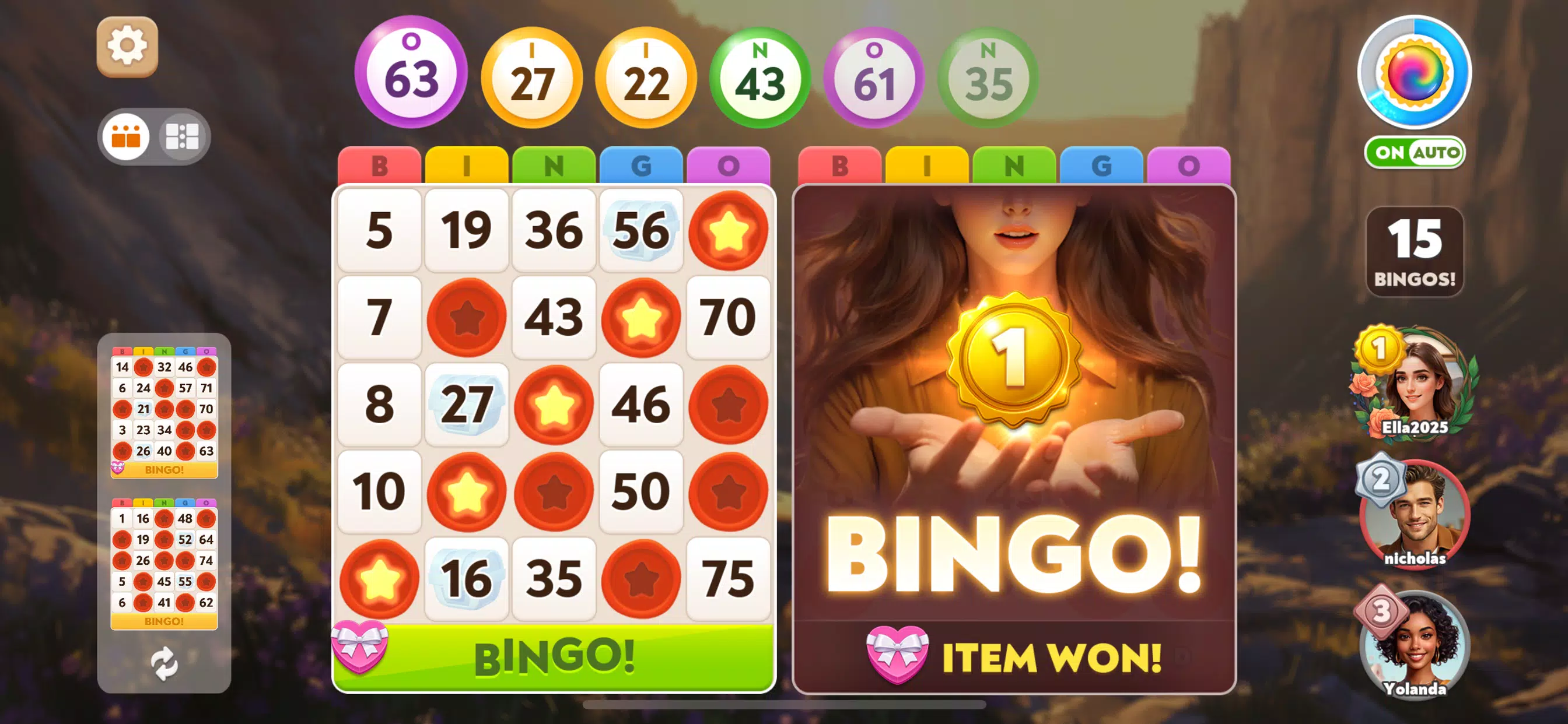
The core of Bingo Diary is familiar bingo mechanics presented as discrete, level-based challenges rather than open-ended matches. Each level presents a fixed card layout and objectives that can include pattern completion, clearing marked numbers within a move limit, or reaching score thresholds. Power-ups and boosters appear naturally in play as tools to remove troublesome numbers, mark multiple cells, or trigger chain reactions, and Spins and a BPM bonus add occasional strategic variance to how one approaches a card.
Gameplay mechanics and controls
Gameplay relies on simple touch controls: tap to mark numbers, drag or tap to activate certain power-ups, and use on-screen buttons for Spins or to apply a booster. Matches are designed to be easy to pick up — the tutorial walks through basic marking and booster use in the opening chapters — while advanced play rewards planning how and when to spend limited boosts. The BPM bonus is a tempo-based meter that occasionally increases scoring potential, encouraging timed plays without demanding fast reflexes. Overall the mechanics emphasize decision-making over twitch reaction.
Progression, chapters and narrative
Progress through chapters to follow Ella’s journey and gradually rewrite the past by collecting fragments scattered across levels. Chapters unlock new settings and card themes that tie into the time-travel story, and collecting specific items can open narrative beats or bonus levels. Progression is paced so players can clear a few cards in short bursts or work toward long-term goals like completing a collection of fragments or finishing a chapter. Narrative elements are delivered between levels to give traditional bingo matches a contextual purpose and to reward completion beyond simple score chasing.
Visual style and audio
The visual presentation favors clean, readable cards and period-inspired backgrounds that change as you move through eras, from candlelit salons to later historical scenes. Animations are used sparingly to highlight power-up effects and celebratory rewards so the interface remains uncluttered. Sound design uses subtle musical cues and satisfying UI sounds when numbers are marked or a booster triggers; audio options let players adjust music and effect volumes independently to suit their environment or preference.
Level structure and challenge systems
Levels are organized into stages that escalate in difficulty, introducing new objectives and constraints as you progress. Many levels are short and self-contained, intended for quick play sessions, while later stages combine multiple constraints to create a steeper learning curve. Replay value comes from optional level goals, collecting higher scores for better rewards, and returning to earlier chapters with improved strategies or newly acquired boosters. Challenge systems reward efficiency and planning rather than repeated grinding.
Collections, customization and rewards
Collections of fragments and story items serve both as progression currency and as a means to unlock additional content. Gathering complete sets yields bonus rewards that can include extra Spins, special boosters, or chapter-specific perks. Visual customization is subtle and tied to progression: completing sets may change background panels, add decorative elements to Ella’s diary, or unlock small cosmetic touches for the UI. These options give players a sense of personalization without affecting core gameplay balance.
Replayability, accessibility and offline play
Replayability is built into score targets, booster optimization, and chapter exploration; levels can be replayed to improve outcomes or to find missed fragments. The game’s controls are designed for accessibility: large tap targets, clear contrast on cards, and adjustable audio and text size options make the experience comfortable across devices. Many single-player levels are playable without a persistent internet connection, so players can enjoy the majority of the content offline and sync progress when a connection is available. Overall the design aims to make sessions flexible, approachable, and rewarding for a broad range of casual puzzle players.
User experience and tips
Bingo Diary balances bite-sized gameplay with a collectible progression loop that keeps goals meaningful across sessions. Beginners should focus on learning how boosters alter the board and use Spins strategically, while collectors can plan runs to maximize fragments and chapter rewards. The interface stays focused on the card and the current objective, minimizing distractions so that each match feels purposeful. For players who appreciate narrative context alongside casual mechanics, the game offers a steady stream of small rewards and unfolding story moments to keep engagement high.
File size: 187.00 M Latest Version: 1.1.16
Requirements: Android Language: English
Votes: 285 Package ID: com.playdogsoft.bingo
Developer: PLAYDOG
Screenshots

Explore More
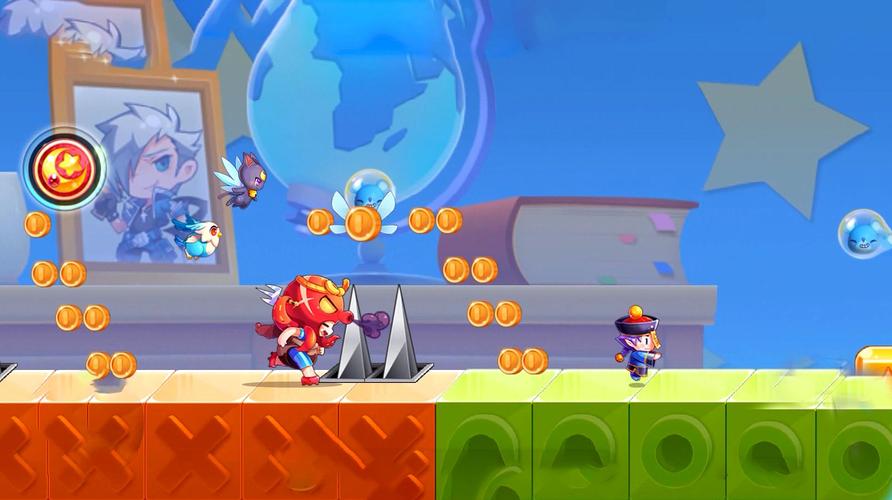
Small games that help pass the time have evolved into a plethora of cool and refreshing experiences that allow us to briefly immerse ourselves without getting addicted, providing us with plenty of enjoyment even if we can only play them for a short while sometimes.












Popular Games





-
2
PS2X Emulator Ultimate PS2
-
3
Controls Android 14 Style
-
4
Slotomania
-
5
Jackpot Friends Slots Casino
-
6
Klompencapir Game Kuis Trivia
-
7
Know-it-all - A Guessing Game
-
8
A Growing Adventure: The Expanding Alchemist
-
9
Justice and Tribulation
-
10
Toothpick