Introduction
Lucky RPG launches you into a tactical, card-driven role-playing experience where deck-building meets turn-based, grid combat. In Lucky RPG players assemble and refine magic card decks, recruit heroes with distinct abilities, and navigate arena-style encounters and epic boss fights that reward planning and adaptation. This introduction outlines gameplay mechanics, controls, progression, and the systems that give the game depth so you can decide whether the strategic pace and puzzle-like encounters fit your play style.
Gameplay mechanics
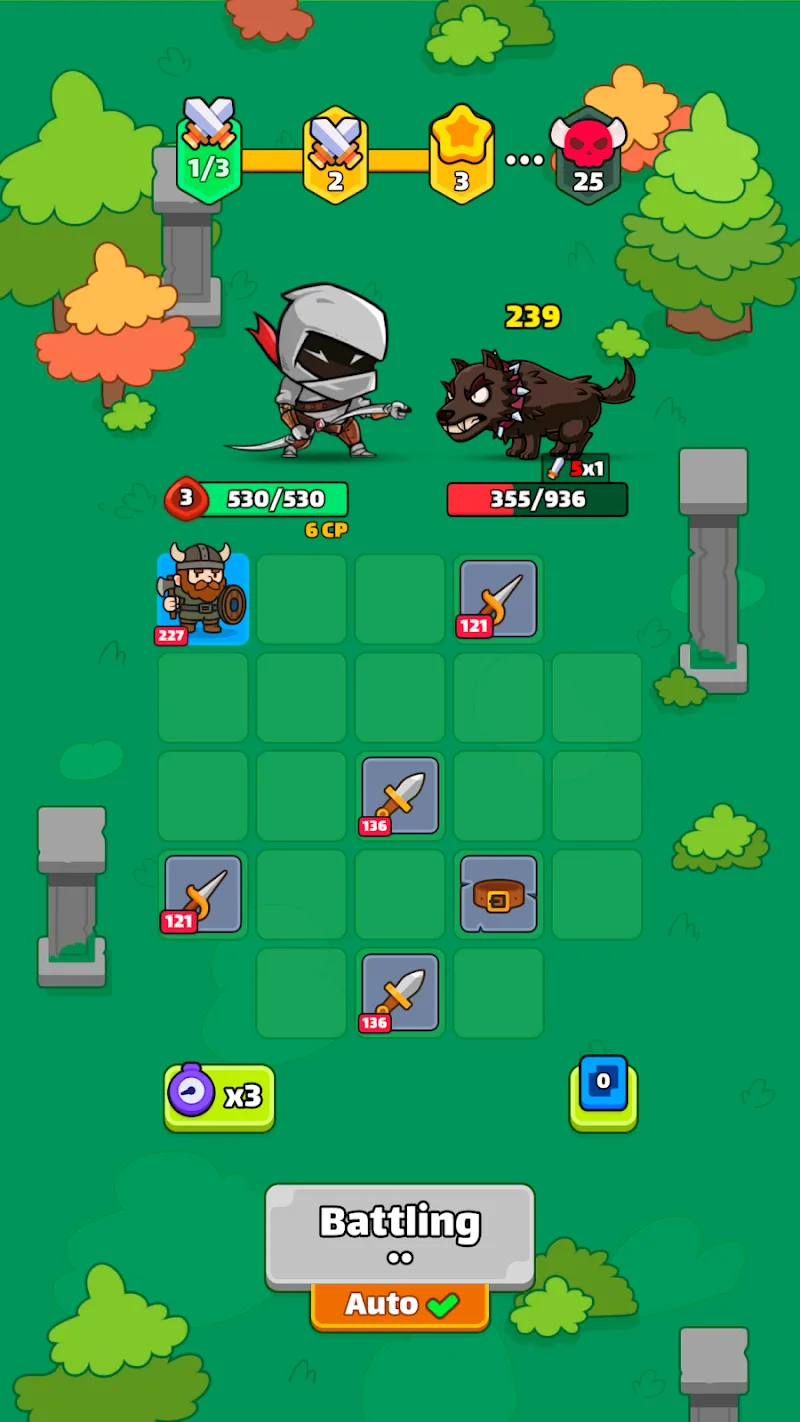
The core of the game centers on constructing a deck of thematic cards that represent spells, abilities, and tactical options used on a grid-based battlefield. Each encounter requires you to consider position, range, and synergy between cards and hero abilities. Cards can alter terrain, create barriers, or apply persistent effects, and some interact directly with a hero’s passive or active skills. Encounters are designed around short but intense runs that emphasize decision-making over reflexes; the turn-based structure lets you plan each move and respond to changing conditions as enemy patterns emerge.
Controls and interface
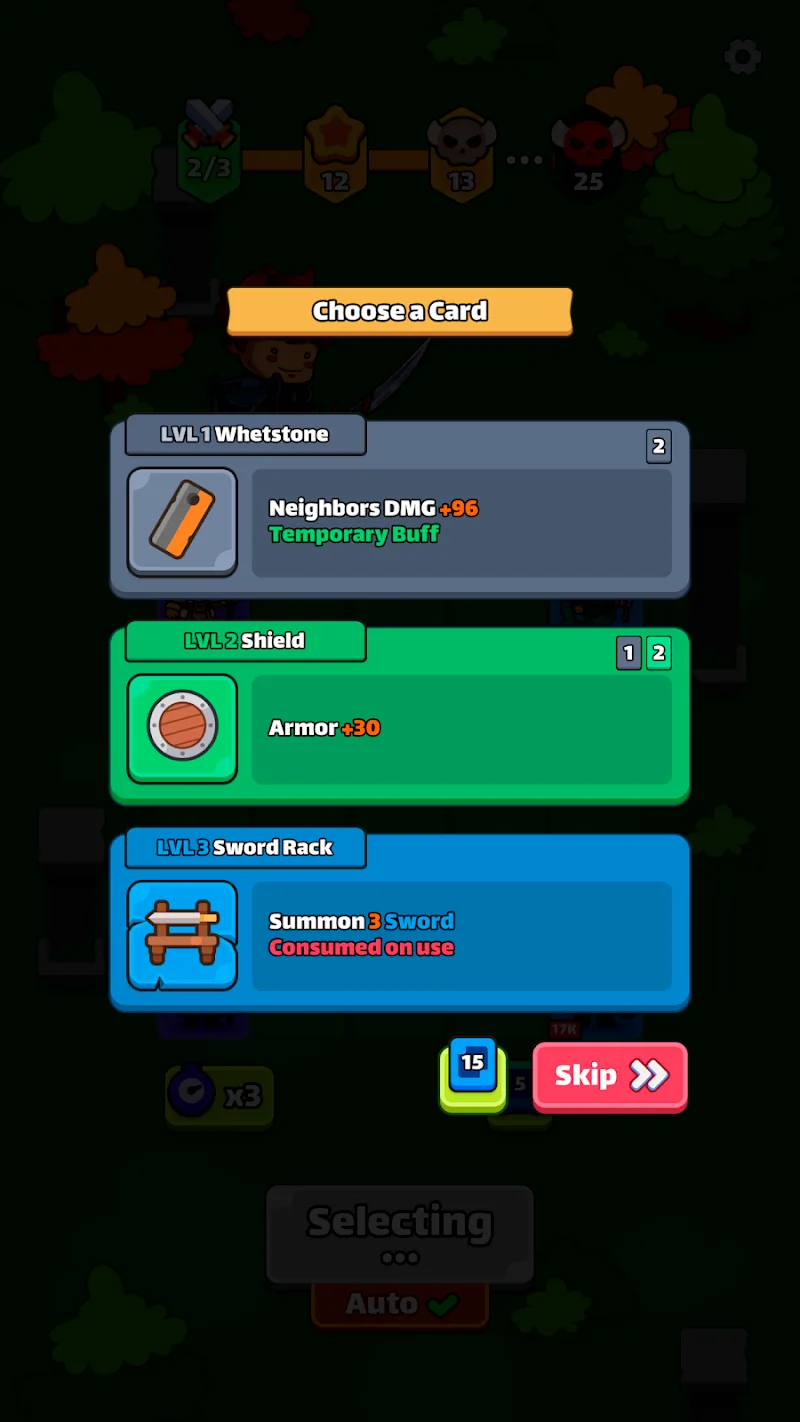
Controls are tailored for touch screens but remain intuitive for players familiar with mobile tactics games. Tap to select cards, drag to target tiles or units, and use clear on-screen prompts to inspect card details and planned actions. The interface highlights actionable tiles, shows movement ranges, and displays cooldowns and resource costs so you can evaluate options at a glance. Subtle UI cues and contextual help reduce the learning curve for newcomers while keeping the information density high for experienced strategists.
Progression and upgrade systems
Progression in Lucky RPG relies on meaningful choices between short-term power and long-term growth. Between runs you unlock new cards, hero upgrades, and branching upgrade paths that change how builds operate. The upgrade system favors experimentation: some paths unlock combo potential while others improve survivability or resource efficiency. Difficulty scales with your progress, presenting harder enemies and smarter boss mechanics that encourage you to revisit earlier strategies with new cards or altered hero builds.
Visual style and presentation
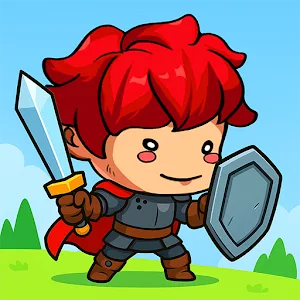
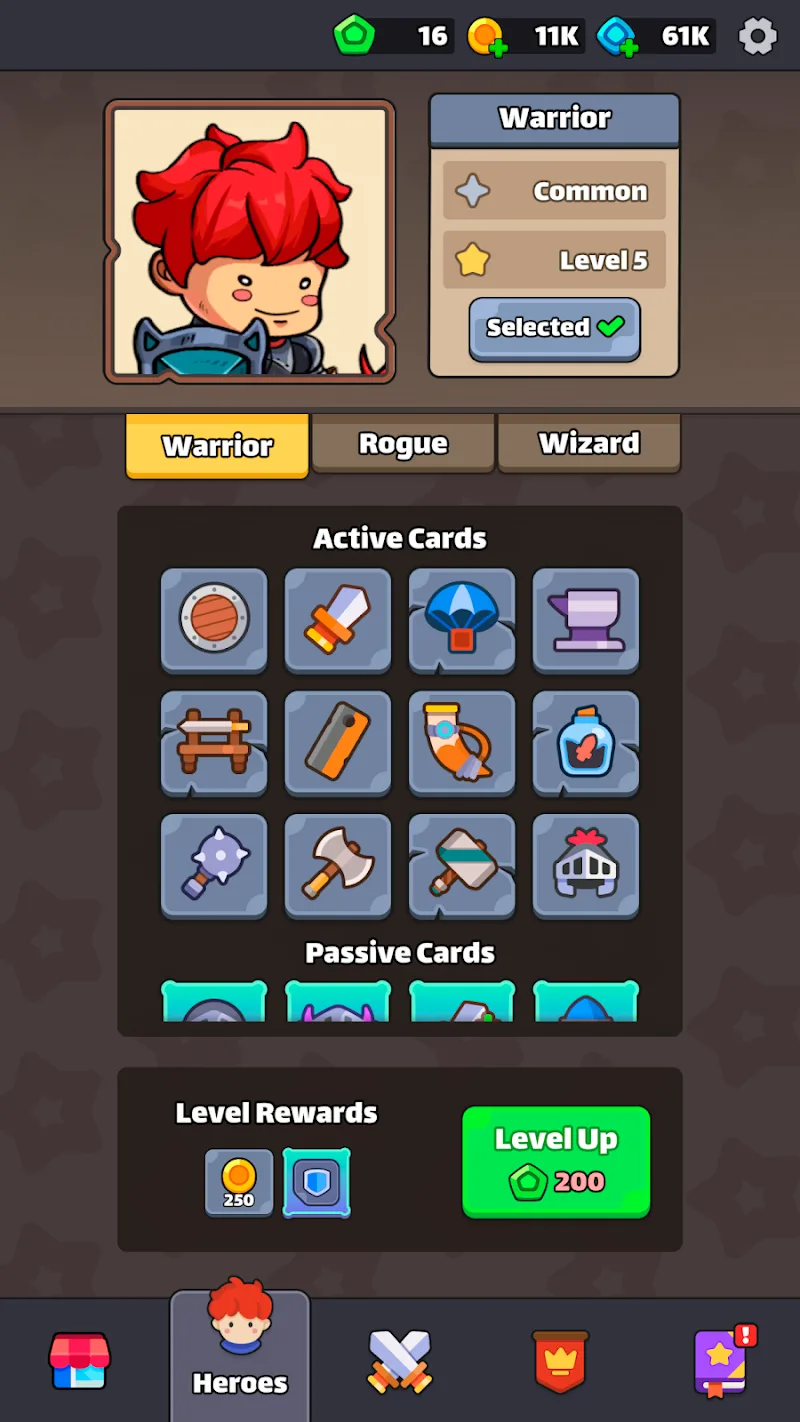
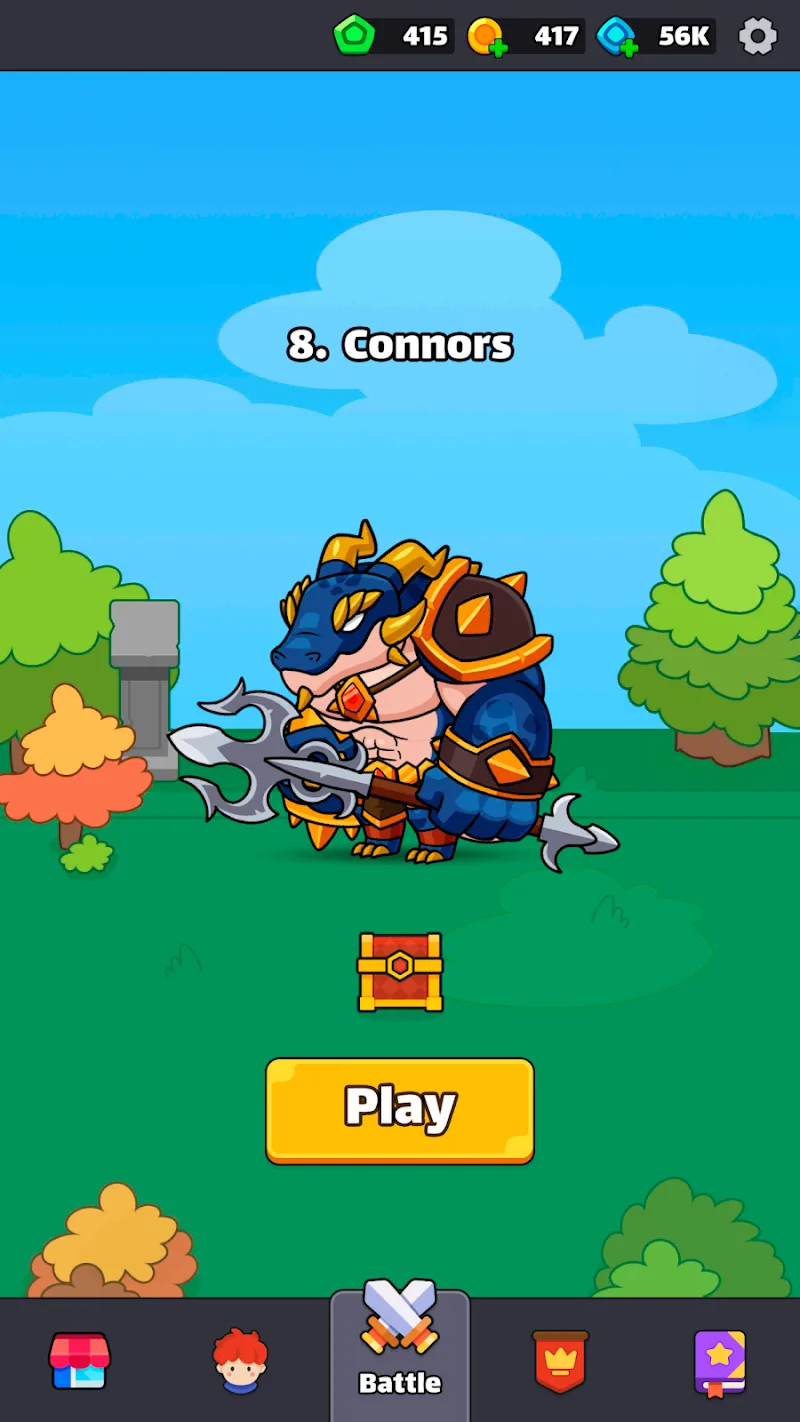
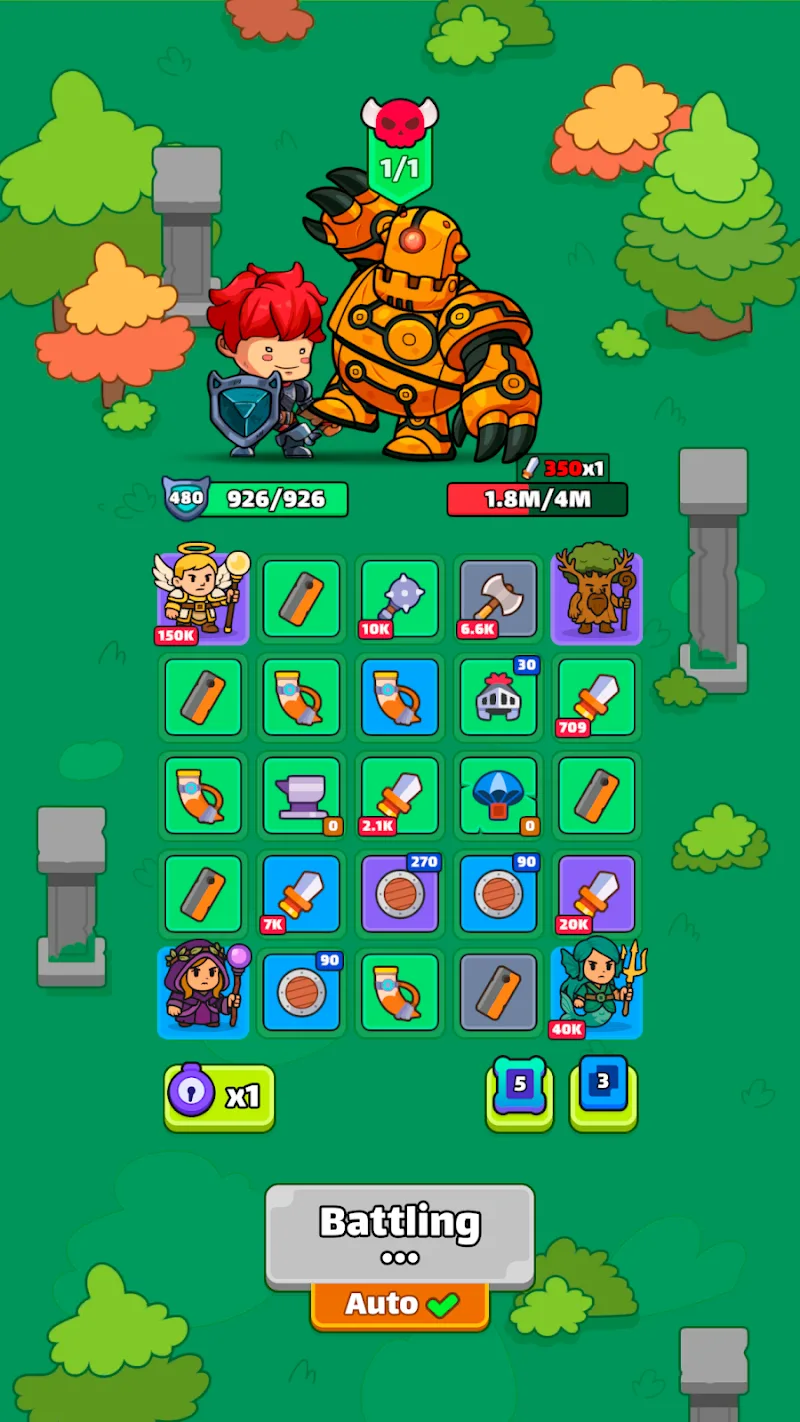
The game adopts a stylized visual approach that balances readability with character. Grid tiles, card art, and ability effects are designed to communicate important gameplay information quickly—status markers, area-of-effect outlines, and terrain modifiers are visually distinct. Heroes and enemies are illustrated with clear silhouettes so you can assess threats at a glance, while card art provides flavor without overwhelming the tactical view. Animations are concise, serving to clarify action outcomes rather than distract from planning.
Level structure and encounter design
Encounters are built as discrete scenarios with specific objectives, often leading toward larger boss fights that combine multiple mechanics learned earlier. Levels vary in layout, enemy composition, and environmental hazards, which encourages adapting deck composition and hero choices to the map rather than relying on a single dominant strategy. Short runs make it easy to test a new card combination and quickly learn how a change affects your approach to different map archetypes.
Customization and hero builds
Heroes come with unique ability trees and passive traits that interact with cards in flexible ways. Customization focuses on selecting which upgrades to pursue and which cards to include in your deck, resulting in builds that can emphasize mobility, control, area damage, or defensive play. This modular approach lets you tailor playstyles: a single hero can function as a positional controller in one run and a burst damage dealer in another, depending on card choices and upgrade priorities.
Replay value and user experience
Replayability stems from card variety, adaptable heroes, and the branching upgrade paths that change how you solve tactical puzzles. Each run feels distinct because small changes in card draws or upgrade decisions can shift the optimal strategy for an encounter. The user experience balances depth and accessibility with clear feedback, adjustable difficulty settings, and concise run lengths that respect players who have limited time but still want meaningful progression.
Accessibility, offline play, and challenge systems
Accessibility options include readable fonts, scalable UI elements, and color contrasts to aid visibility. The single-player design means you can play offline without relying on persistent online connections; progress and unlocked content are saved locally so you can play on the go. The challenge system increases enemy intelligence and introduces modifiers that alter map hazards or enemy behavior, offering optional difficulty ramps for players seeking tougher tests while allowing more casual play through easier settings.
Tips for new players
Start by experimenting with a focused deck archetype and a hero that complements it; prioritize cards that create reliable interactions rather than one-off effects. Use the grid to force enemies into disadvantageous positions and invest in upgrades that shore up your weaknesses. Over time, blending card synergies with hero passives will reveal deeper strategies and make advanced encounters more approachable. Lucky RPG rewards planning, adaptation, and curiosity—returning to earlier runs with new options often uncovers unexpected combinations.
File size: 105.00 M Latest Version: 0.27.0
Requirements: Android Language: English
Votes: 99 Package ID: lucky-rpg-roguelike-battler
Developer: Mankrik
Screenshots
Explore More
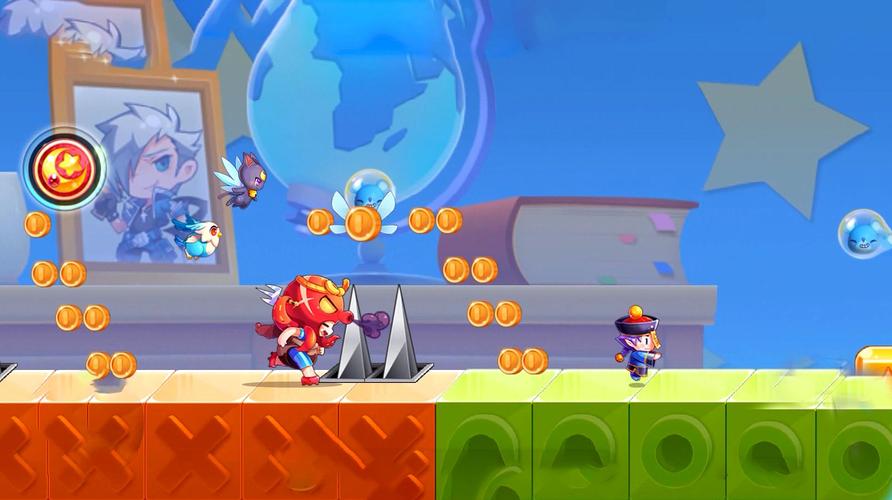
Small games that help pass the time have evolved into a plethora of cool and refreshing experiences that allow us to briefly immerse ourselves without getting addicted, providing us with plenty of enjoyment even if we can only play them for a short while sometimes.
















Popular Games





-
2
PS2X Emulator Ultimate PS2
-
3
Controls Android 14 Style
-
4
Slotomania
-
5
Jackpot Friends Slots Casino
-
6
Klompencapir Game Kuis Trivia
-
7
Know-it-all - A Guessing Game
-
8
A Growing Adventure: The Expanding Alchemist
-
9
Justice and Tribulation
-
10
Toothpick