Introduction
Soulspire is a single-player, narrative-driven fantasy romance experience that places you inside a long-abandoned magical tower where survival, mystery, and interpersonal drama intersect. Designed for mature audiences, Soulspire combines character-focused storytelling with light survival and relationship mechanics; the description below explains the game systems, pacing, and player expectations without explicit detail, so you can decide whether the tone and structure fit your preferences.
Key Features
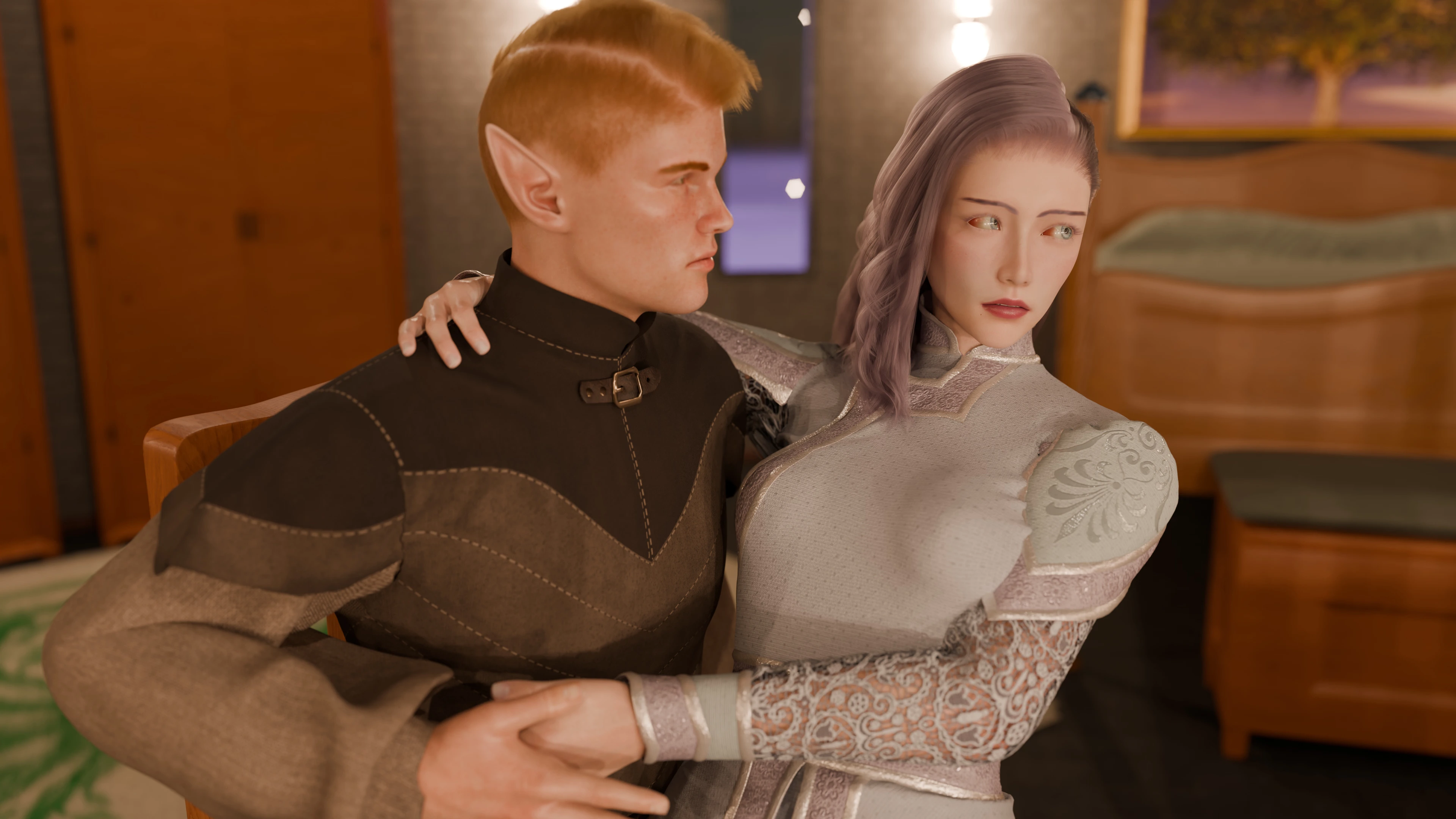
Soulspire centers on an episodic, choice-led narrative that emphasizes slow-burn character development and branching romance paths. The game presents a compact cast of multi-faceted characters, including a protective childhood friend and a conflicted princess whose fate is entwined with supernatural influence. Rather than relying on instant spectacle, the title unfolds over scenes where dialogue, exploration, and decisions gradually reveal backstory and tower lore. Romance in Soulspire is treated as an integrated element of character progression: relationship decisions influence available story branches and unlock deeper narrative content over time.
Gameplay and Controls
Gameplay in Soulspire is driven by contextual choices and a lightweight survival loop. Players make conversational and action choices that shape bonds and reveal secrets, while also managing basic endurance and resource considerations tied to exploration of the tower. Controls are intentionally simple and suited to touchscreens: tap or select dialogue and action options, use an on-screen journal to review discovered clues, and access a compact status panel to check relationships and basic survival metrics. There are no fast-paced touchscreen reflex requirements; the experience is focused on decision-making and pacing rather than timed skill tests.
Progression Systems and Challenge
Progression in Soulspire is narrative-first. As you progress, your choices alter relationship meters and open or close narrative branches, leading to multiple possible endings and optional scenes. The survival element operates as a mild challenge system, where choices affect stamina, access to safe resting spots, and the availability of non-combat resources; these mechanics encourage thoughtful exploration and prioritization rather than repetitive grinding. Replayability is supported by the branching structure: different choices reveal alternate lore, character beats, and conclusions, encouraging multiple playthroughs to see varied outcomes.
Visual Style and Audio
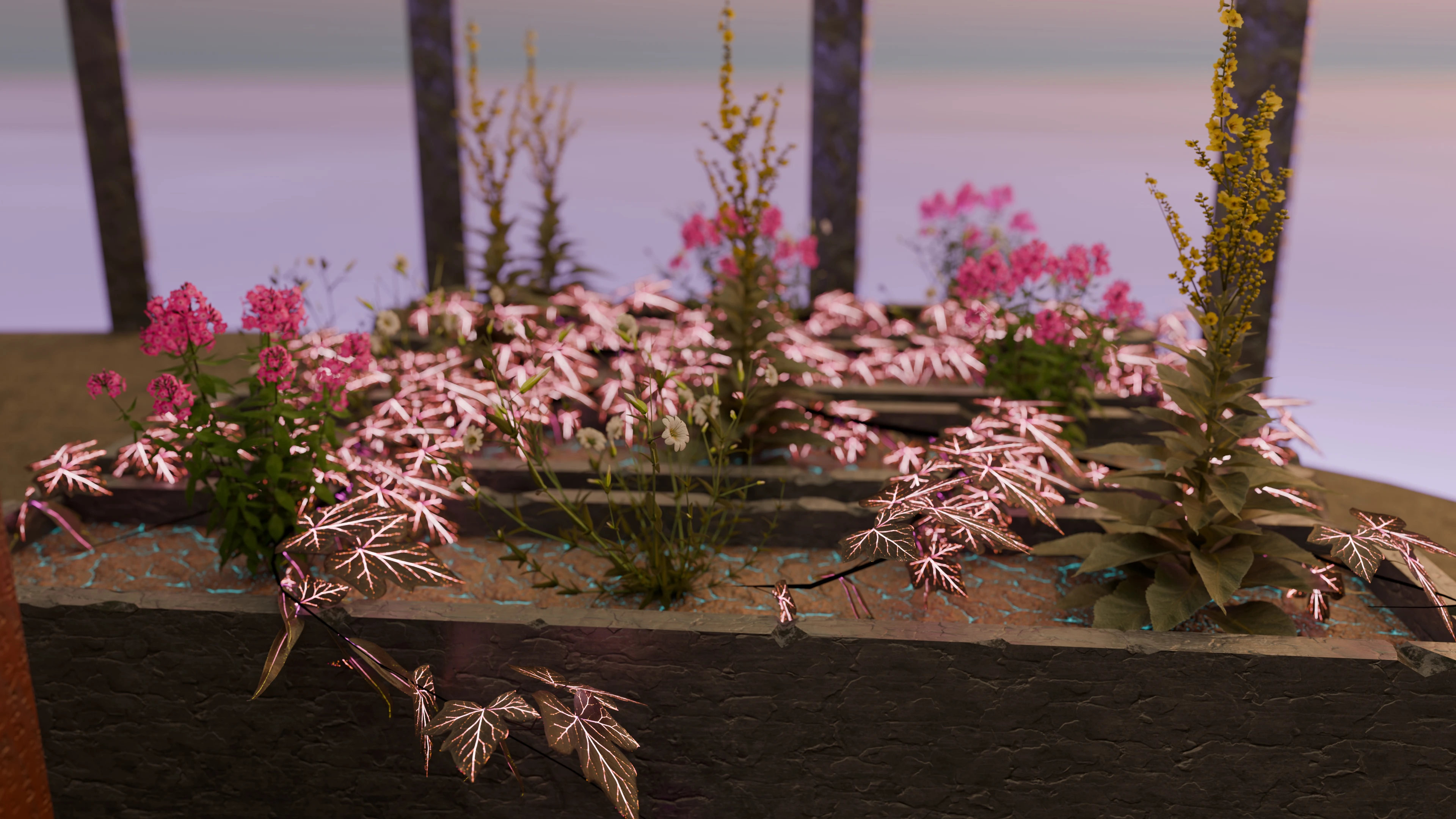
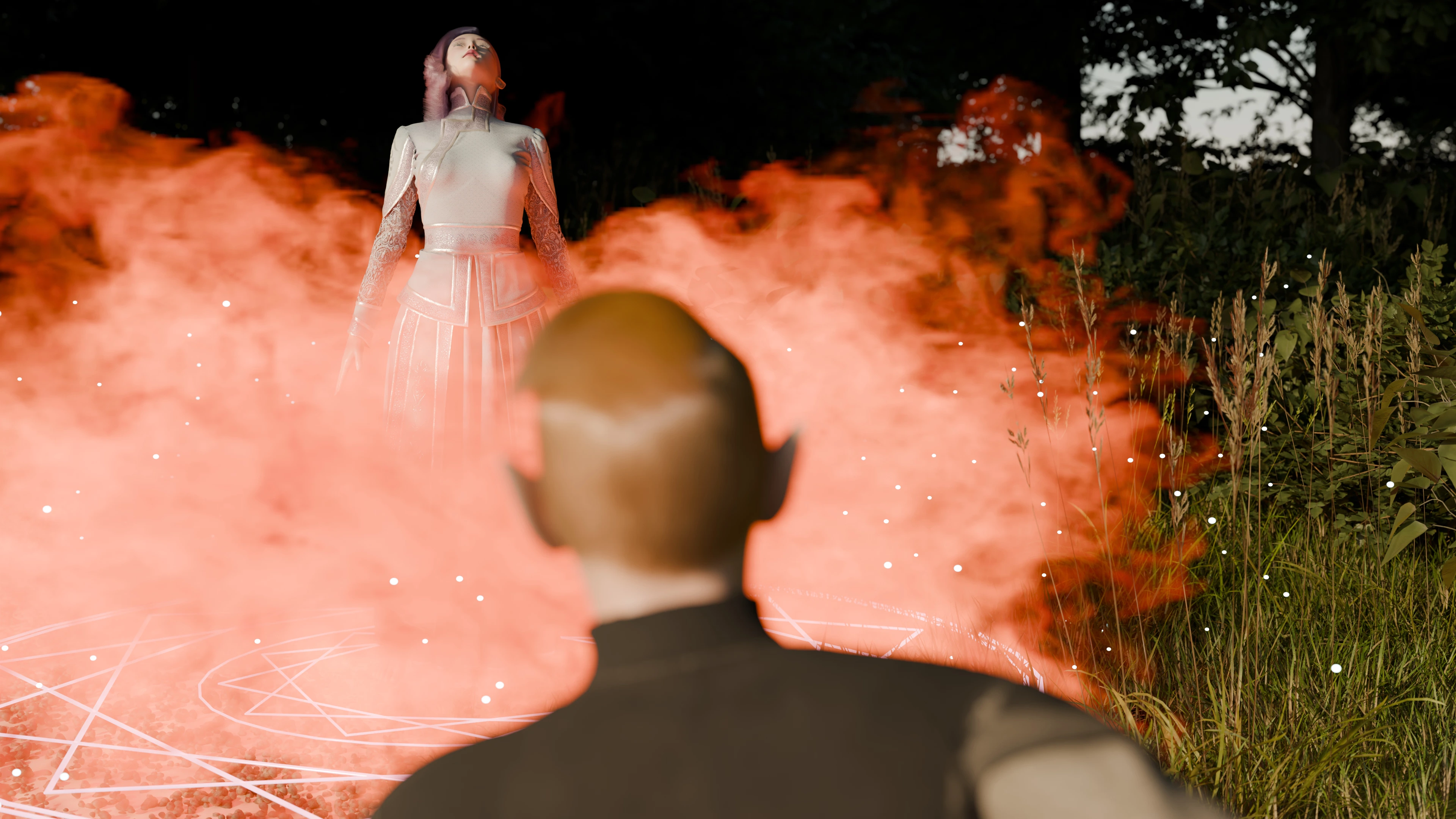
Soulspire uses a stylized fantasy aesthetic that supports the mood of the tower—shifting light, worn architecture, and character art designed to emphasize personality and emotion. Environmental illustrations set the scene for each chapter, while character portraits and expression changes communicate nuance during conversations. An ambient audio palette and thematic musical cues bolster atmosphere without overpowering dialogue, and sound options allow players to adjust music and effects individually for a tailored listening experience.
Level Structure and Customization
The game is organized into discrete scenes and chapters that represent different areas and encounters within the tower. Each chapter contains narrative beats, choice points, and situational challenges tied to the survival loop. Customization is focused on narrative agency rather than cosmetic changes: you shape your protagonist’s relationships, priorities, and moral compass through decisions that influence which story threads unlock. This keeps the core experience accessible while allowing meaningful variation across playthroughs.
Replay Value and User Experience
Soulspire rewards curiosity and repeated play. Branching dialogues, hidden lore elements, and character-specific arcs offer incentives to explore alternative choices. The user interface supports quick saves, scene skipping for previously read text, adjustable text speed, and a readable journal to track important clues and relationship status. These quality-of-life features make longer play sessions manageable and enhance the narrative pacing for players who prefer different tempos.
Accessibility and Offline Play
The game includes options that improve accessibility for a broad audience, such as adjustable text size and clear contrast in the UI for readability. Controls are simple and consistent to minimize frustration, and the experience does not rely on quick reflexes. Soulspire is playable offline after download, allowing uninterrupted exploration of the story without a persistent network connection; local saves preserve progress between sessions.
About the Developer and Version Notes
Pandaman Games is the studio behind Soulspire and is focused on narrative design, character work, and iterative content updates. The current release (version 4.0) emphasizes the foundational slow-burn narrative, relationship systems, and the core reverse-training and survival mechanics described here. Additional content, expanded story branches, and visual polish are planned for future updates; adult-themed content is presented in a mature, non-explicit manner consistent with the game’s slow-burn approach.
File size: 819.05 M Latest Version: 4.0
Requirements: Android Language: English
Votes: 483 Package ID: com.pandamangames.soulspire
Developer: Pandaman Games
Screenshots


Explore More

Discover Exciting Action Games for Gamers: Unleash the Fun with Action-packed Adventures like Invincible Action, Co-op Thrills, DNF, Street Fighter, Combat, and Boxing Classics. Enjoy a Variety of Popular Action Mini-games to Play Online for Free, along with Collections of Hot Action Mini-games and Downloads. Invite your friends for a thrilling gaming experience!


















Popular Games






-
2
PS2X Emulator Ultimate PS2
-
3
Controls Android 14 Style
-
4
Slotomania
-
5
Jackpot Friends Slots Casino
-
6
Klompencapir Game Kuis Trivia
-
7
Know-it-all - A Guessing Game
-
8
A Growing Adventure: The Expanding Alchemist
-
9
Justice and Tribulation
-
10
Toothpick